Case 08 · Two-person team project

Buy new,
or buy used?

Problem
Price alone missed important differences between new and used products.1
Decision
Normalized product information and separated verified facts from AI inference.
Verified outcome
Integrated the data and AI layer into a public demonstration service.
My role
Data · product information · AI reasoning · service integration
Partner’s role
Interface · save and upload experience · deployment
Context
Wanted AI Championship
Status
Public demo service · continuing refinement
Pre-deadline rank[4]
21Among 1,390 teams
Passing tests[2]
809Verified change-integration record
Team members[1]
2Data and AI / interface and deployment

Visit Gorda

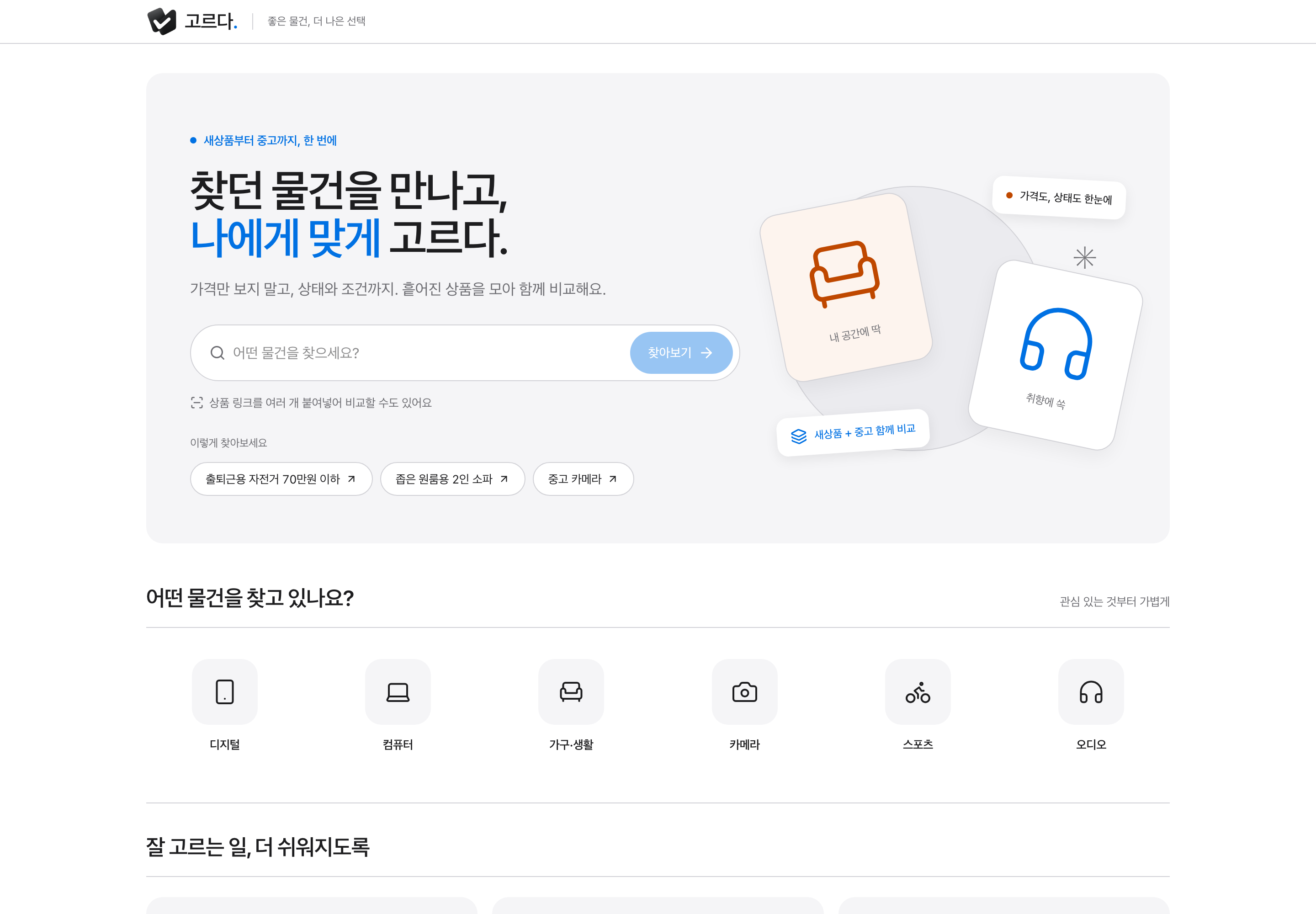
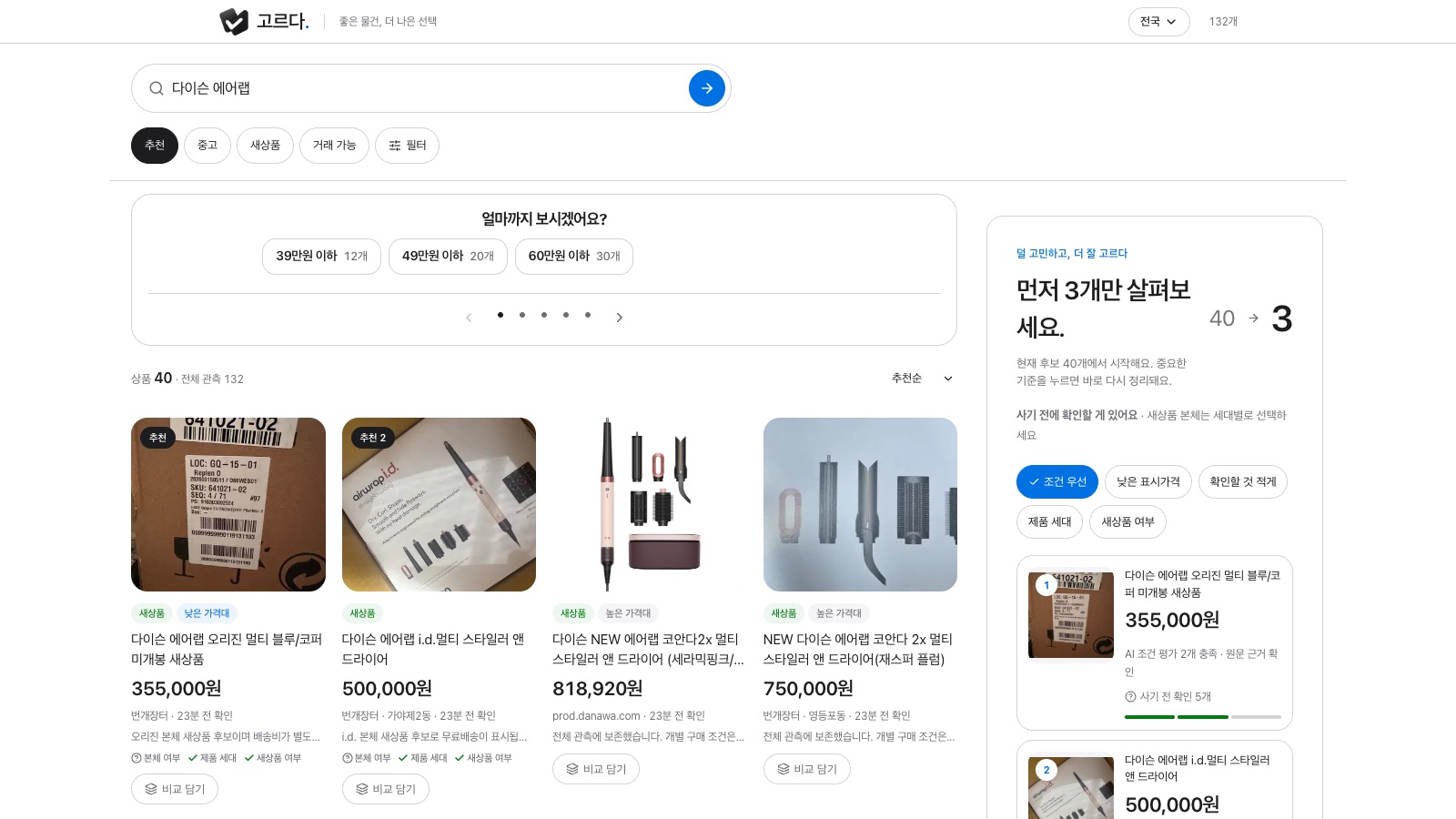
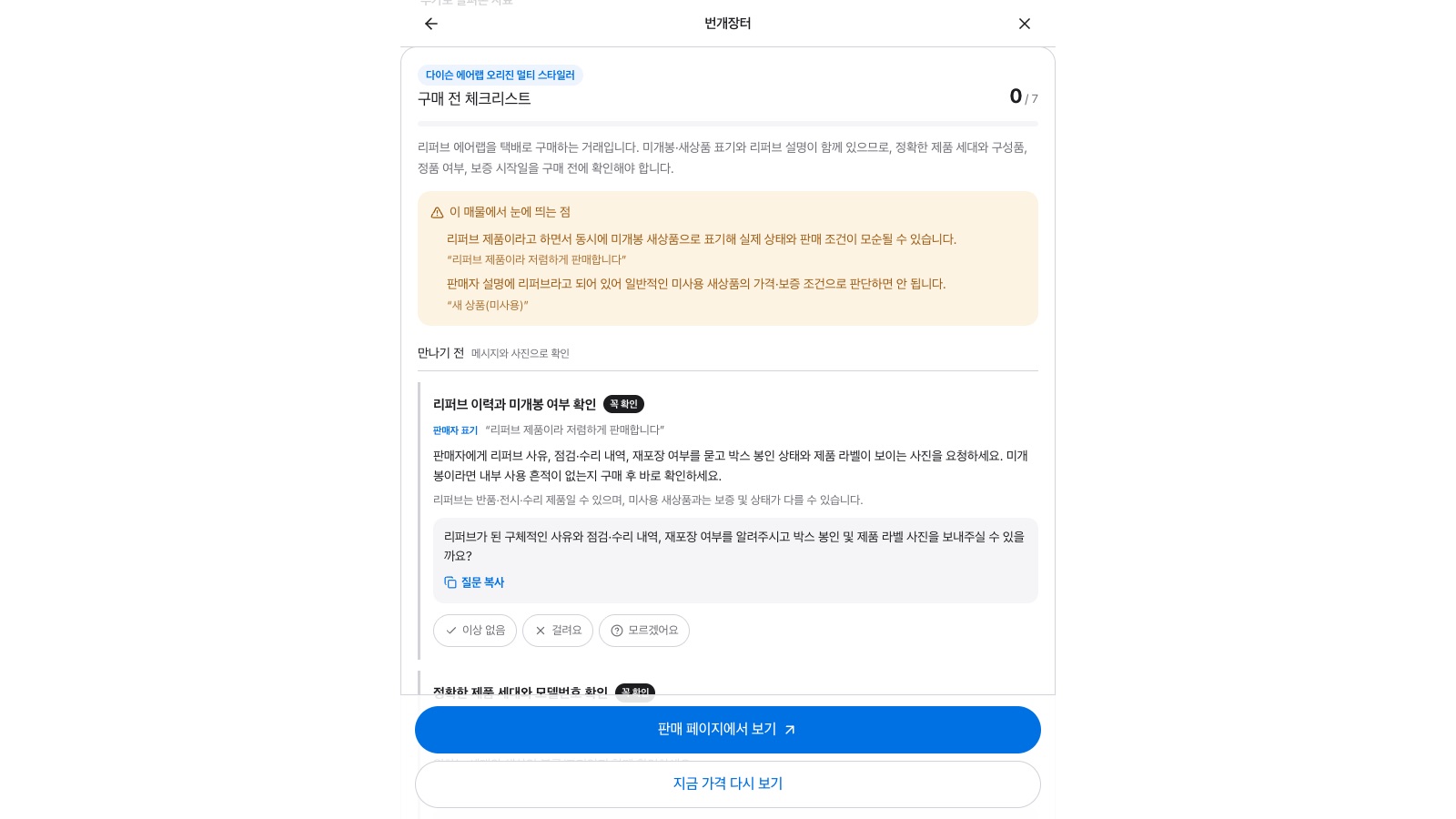
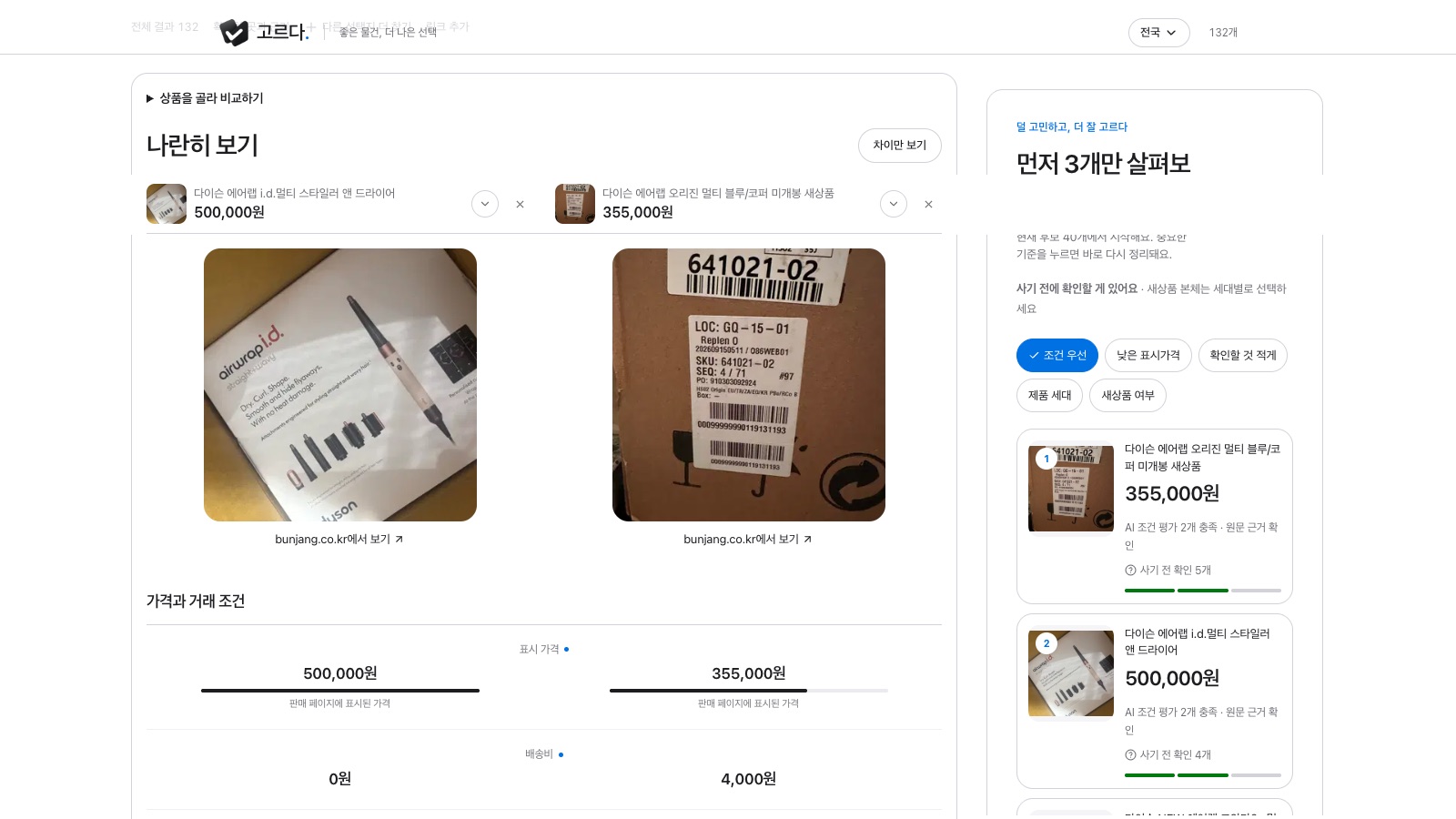
Actual service screens

A decision based on the buyer’s needs.

Compare beyond price

Similar names do not always mean the same product. I worked on organizing product information so buyers can compare it against their own needs and conditions.

Separate facts from inference

I treated the distinction between observed information and AI reasoning as a product requirement. Missing information should remain uncertain rather than turn into plausible confidence.

Make ownership clear

I owned data, AI reasoning, and service integration, connecting that work to the interface built by my partner. We validated the result together; I do not claim the entire UI as my design.

Validate the implementation and its judgments separately.

The integration checks covered the code, build, and model judgments. In a controlled sample of five synthetic inputs, all five passed with no fabricated price, inventory, or exact-product judgments detected. This does not establish accuracy across all products or real listings.2

Small-sample success did not end validation.
A separate fixed-input evaluation exposed unsupported product matches and responses that did not preserve the supplied item IDs. Even when validation downgraded a judgment to unknown, the model’s original mistake remained a failure.3

Sources and scope

  1. Project role records and public service screens. Responsibilities are separated between data/AI work and interface/deployment work.
  2. Integration verification and real-model evaluation records. Tests and the five synthetic inputs are separate validation scopes; the sample does not represent the entire market.
  3. Saved development-evaluation checkpoints: two different configurations each completed 32 fixed inputs, with 29 passed / 3 failed and 25 passed / 7 failed. Both missed their full acceptance criteria. These are separate from the five-input evaluation and are neither a like-for-like improvement comparison nor a measure of current service accuracy.
  4. The project participant reported 21st among 1,390 teams in the popularity listing just before the deadline.