Extract the information
Read six required information fields from source photos and prepare production inputs.
Case 10 · Content Thumbnail Automation
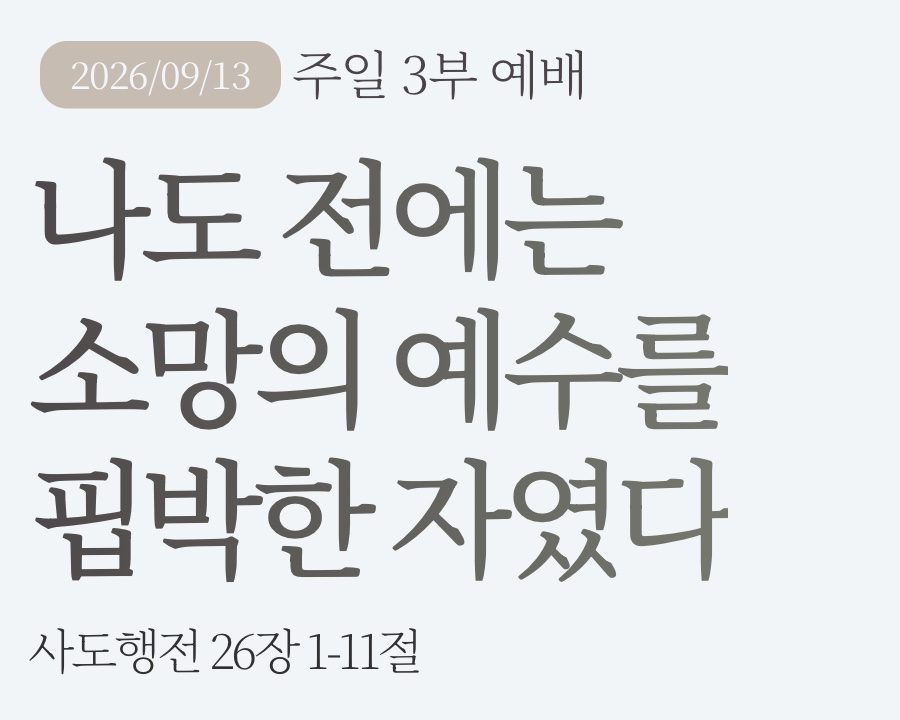
I first surveyed 100 finished thumbnails from 26 weeks. With effectively no design choices to make, the problem was redefined from “design generation” to “reading and typesetting automation”.
Read six required information fields from source photos and prepare production inputs.
Use established title positions, spacing and template criteria to generate the thumbnails.
Inspect pixel-level differences between the source and generated layout, then refine the output. Local typesetting instead of an external design service means no accounts, monthly fees or usage caps.
Instead of a Saturday-night automatic run, a person confirms only the title and line breaks; thumbnails and YouTube schedules then run in one step. If any thumbnail fails, nothing is scheduled.
In a rehearsal with a real bulletin, the four schedules matched human-made ones on 19 fields. The first live run still surfaced two problems the tests hadn’t.
Cloud sync had evicted helper tools and fonts from the device within a week, so the run stopped. Every run now downloads missing files first.
A long title entered on one line was found clipped on an already-scheduled thumbnail. With approval, all four were regenerated and replaced; titles now scale to fit, and below 75% generation refuses to run.
Keeping 11 or more non-space characters on one line now prompts for a line break again — closing the root cause: the renderer never checked for overflow.
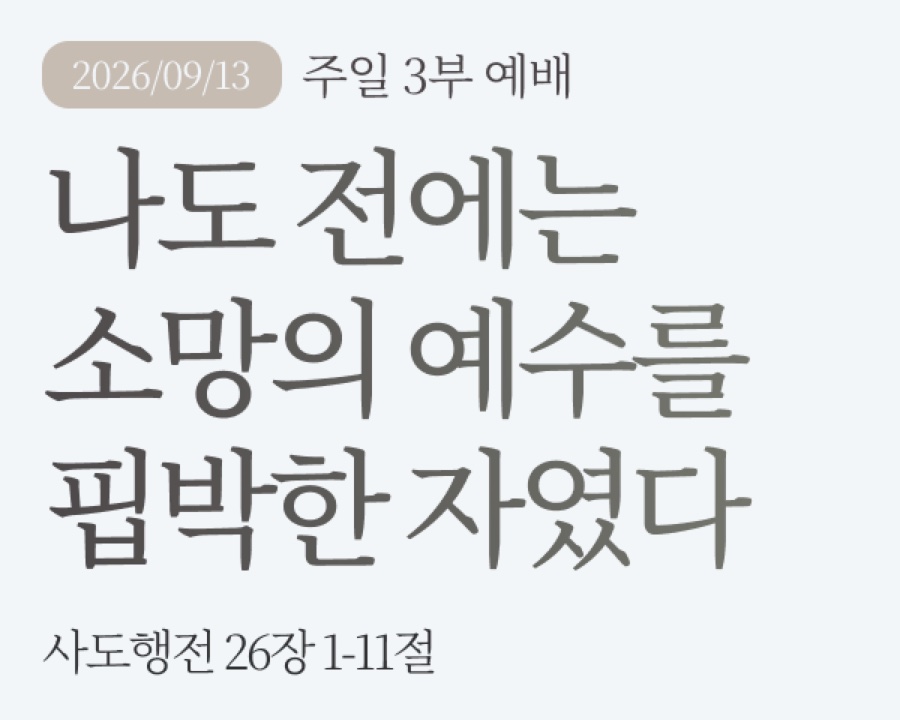 Original · manualGenerated
Recurring production criteria moved into code and review rules, leaving one point for human judgment. Failures found in operation became rules the next run enforces on its own.
Based on existing automation records and source/generated images. The application was church-bulletin content; public images show only the title-layout area. Recorded position differences were 14–22px for type A and 6–14px for type B, rather than exact replication. The 19-field match refers to test schedules from a real-bulletin rehearsal (since deleted), with visibility and title prefix intentionally different. Operation records cover the first live run only; no success rate for later runs is claimed. Church name, sermon titles and speaker details are not published.